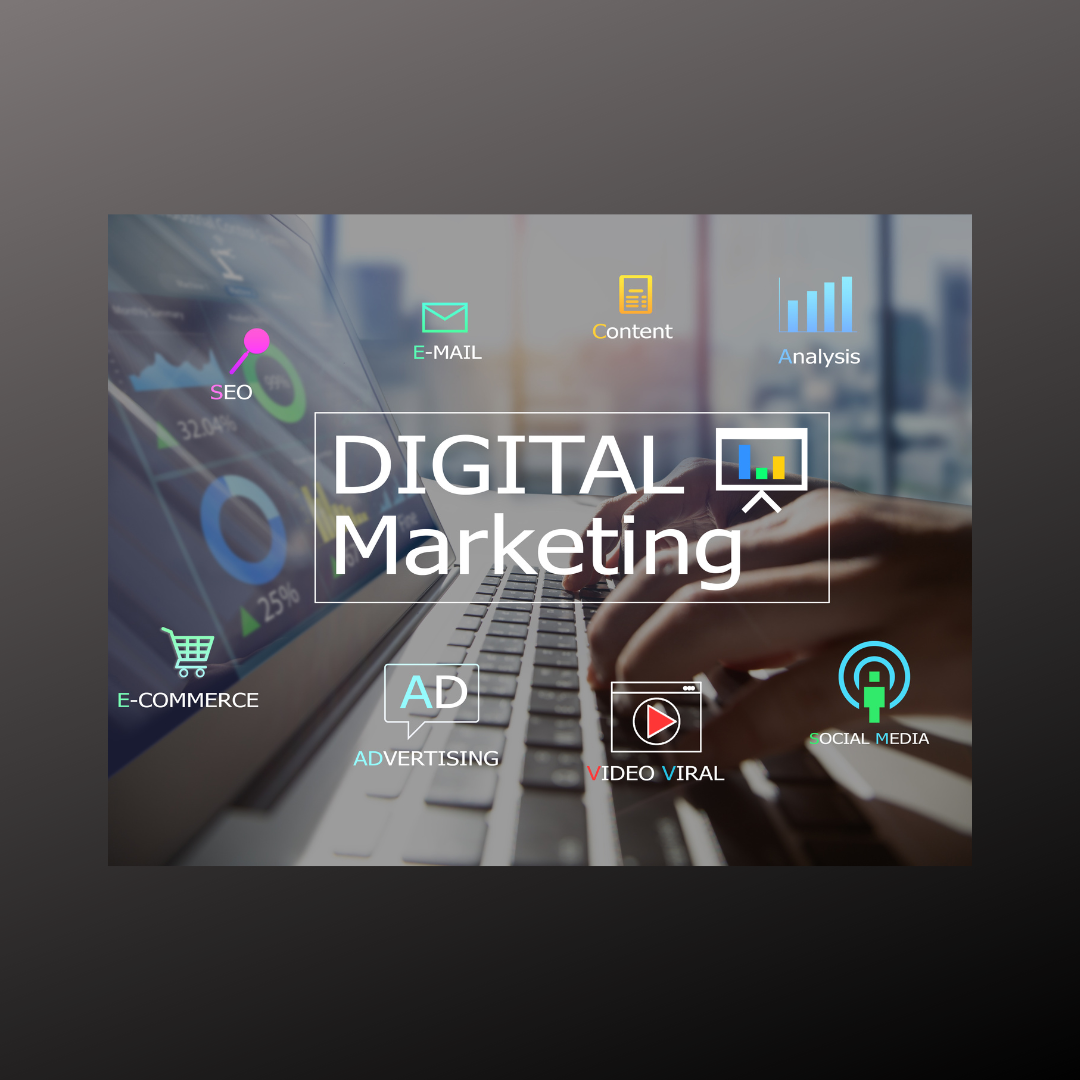

Marketing your business effectively starts with understanding your target audience and choosing the right channels to reach them. The key to beginner-friendly business marketing strategies is focusing on clear, consistent messaging and using simple tools that maximize your budget. Knowing where your customers spend their time helps you tailor your efforts for better results.
Small businesses can thrive by combining online presence through social media and basic search engine optimization with traditional methods like networking and direct outreach. These strategies help build brand awareness and generate initial sales without overwhelming resources or requiring advanced skills.
Understanding the Basics of Business Marketing
Business marketing involves targeting potential customers with the right messages, channels, and offers. It hinges on clear goals, understanding customer needs, and applying proven principles to create effective campaigns and build sustainable relationships.
Defining Business Marketing
Business marketing refers to all activities a company uses to promote and sell products or services to customers. It includes research, advertising, sales strategies, and customer engagement.
The purpose is to connect with the right audience by addressing their needs and preferences. Unlike personal selling, business marketing focuses on building brand recognition and long-term trust.
Common methods include digital marketing, social media promotions, email campaigns, and traditional advertising. Each method aims to increase visibility and drive sales.
Importance of Marketing for Beginners
For new business owners, marketing is crucial to establish a presence and attract customers. It helps identify target markets and differentiate products from competitors.
Early marketing efforts guide where to invest resources for the best return. Without focused marketing, even quality products may go unnoticed.
Understanding customer behavior and adapting marketing tactics improves success rates. Beginners can start small, test strategies, and scale what works best.
Key Marketing Principles
Successful marketing relies on four key principles: product, price, place, and promotion (the 4 Ps). Each element plays a role in meeting customer demands and maximizing sales potential.
- Product: Designing offerings that solve customer problems or fulfill needs.
- Price: Setting competitive prices considering value and cost.
- Place: Choosing effective distribution channels.
- Promotion: Communicating benefits to persuade potential buyers.
Consistency across these areas improves brand credibility and customer loyalty. Good marketing also involves ongoing analysis to adjust plans based on data and market shifts.
Identifying Your Target Audience
Understanding who your customers are and what they need is essential for effective marketing. This process involves gathering data about potential buyers, defining specific customer profiles, and breaking the market into manageable groups.
Market Research Fundamentals
Market research collects information about consumer preferences, behaviors, and trends. It can be conducted through surveys, interviews, focus groups, and analyzing existing data like sales records or online activity.
There are two main types: primary research, which gathers new data directly from sources, and secondary research, which uses pre-existing information. Choosing the method depends on budget, time, and goals.
Key metrics to focus on include demographics (age, income, location), psychographics (values, lifestyle), and buying habits. This data informs decisions and helps avoid targeting too broadly or missing crucial segments.
Creating Buyer Personas
Buyer personas are detailed profiles representing typical customers. They include age, occupation, interests, challenges, and buying motivations.
Develop personas by analyzing your market research data, customer feedback, and social media insights. Each persona should highlight pain points and goals relevant to your product or service.
Use personas to tailor marketing messages and choose the right channels. For example, a young professional persona might respond better to social media ads, while an older demographic might prefer email newsletters.
Segmentation Strategies
Market segmentation divides your audience into smaller groups with common characteristics. This allows for focused marketing that speaks directly to different customer needs.
Common segmentation bases include geographic (location), demographic (age, gender), psychographic (values, lifestyle), and behavioral (buying habits, product usage).
Effective segmentation improves budget use and increases conversion rates. Once segments are defined, customize content, promotions, and product offers specifically to each group’s preferences.
Setting Marketing Goals for Beginners
Establishing clear, actionable marketing goals helps maintain focus and allocate resources efficiently. Specific aims guide strategy development and provide benchmarks to assess outcomes. This approach ensures efforts align with business priorities and market demands.
Types of Marketing Objectives
Marketing objectives generally fall into three main types: brand awareness, lead generation, and customer retention. Brand awareness goals focus on increasing visibility through channels like social media, ads, or PR campaigns. Lead generation aims to attract potential customers via offers, events, or email sign-ups. Customer retention targets growing loyalty using newsletters, personalized messaging, or rewards programs.
Each type serves a different purpose but can overlap depending on business needs. Selecting the right objectives depends on current market position, target audience, and budget constraints. Prioritize objectives that contribute most directly to revenue or growth.
SMART Goal Framework
The SMART framework makes goals specific, measurable, achievable, relevant, and time-bound. A well-defined goal example: Increase website traffic by 25% in six months through targeted content marketing. Specific outcomes replace vague intentions, making progress easier to track.
Measurable criteria allow quantitative evaluation, while achievable targets prevent setting unrealistic expectations. Relevance ensures alignment with overall business needs. Time-bound deadlines create urgency and prevent indefinite delays. Using this framework turns goals into clear action plans.
Measuring Progress and Success
Tracking key performance indicators (KPIs) is critical to understand if marketing goals are met. Depending on objectives, this could include metrics like website visits, conversion rates, or customer retention percentages. Use tools such as Google Analytics, CRM systems, or social media insights to collect accurate data.
Regular review intervals—weekly, monthly, or quarterly—help detect trends and identify necessary adjustments. Reporting progress in simple formats, like charts or dashboards, supports transparent communication across teams. Continuous measurement prevents wasted resources and keeps strategies adaptive.
Choosing Effective Marketing Channels
Selecting the right marketing channels depends on where your target audience is most active and how they prefer to receive information. It’s important to balance reach, cost, and engagement when deciding which platforms and methods to use.
Digital Marketing Platforms
Digital platforms allow precise targeting and real-time performance tracking. Popular options include social media (Facebook, Instagram, LinkedIn), search engines (Google Ads), and email marketing. Each platform serves a different purpose: social media builds brand awareness, search ads capture intent-based traffic, and email nurtures leads.
Cost efficiency varies. For instance, organic social posts are free but have limited reach, while paid ads offer fast results but require budget management. Use tools like Google Analytics to monitor campaign outcomes and adjust strategies based on user behavior.
Traditional Marketing Methods
Traditional methods include print ads, direct mail, radio, and events. These channels work well for local businesses and audiences less engaged online. For example, flyers and local newspaper ads can target community members effectively.
Although often more expensive per impression, traditional marketing provides tangible materials and personal interaction opportunities. It also complements digital efforts by reinforcing the brand message through multiple touchpoints.
Omnichannel Strategies
Combining digital and traditional channels offers a cohesive customer experience. Omnichannel marketing integrates messages across platforms, increasing brand consistency and engagement.
For example, a campaign might use email newsletters alongside in-store promotions and social media updates. Tracking tools help measure how customers move between channels, enabling targeted follow-ups and personalized content delivery.
Developing a Strong Brand Identity
Creating a clear and recognizable brand requires focused decisions about how the brand fits in the market, how it appears to the public, and the messages it communicates. Each step builds a foundation that supports long-term customer loyalty and trust.
Brand Positioning
Brand positioning defines how a business differentiates itself from competitors in the minds of customers. It involves identifying the unique value the brand offers and the specific audience it aims to serve.
Start with thorough research on competitors and target customers. Ask: What needs does the brand fulfill? What gaps exist in the market? Clearly articulate the niche by focusing on what the brand does best and why it matters to the audience.
Positioning statements help express this clearly. Example: “Our eco-friendly packaging meets the needs of environmentally conscious millennials seeking affordable convenience.” This specificity guides marketing strategies and product development.
Building Brand Recognition
Brand recognition depends on consistent visual and verbal elements that make the brand easy to identify across all touchpoints. These elements include logos, color palettes, typography, and tone of voice.
Use a style guide to maintain uniformity. This includes:
- Logo usage rules
- Approved color codes
- Font selections
- Sample messaging formats
Repetition through multiple channels—social media, website, packaging—reinforces familiarity. Consistent design choices help customers quickly spot the brand, even without explicit naming.
Visual consistency builds trust and reduces confusion, encouraging repeat business and referrals.
Consistent Messaging
Effective brand messaging delivers the same core ideas and values across all communications, whether written, spoken, or visual. Consistency in messaging builds credibility and strengthens connections with customers.
Develop key message pillars tied to brand values and benefits. For example:
- Quality commitment
- Customer-centric service
- Innovation focus
Train all team members and partners to use this language. Avoid contradictions or mixed messages in ads, emails, and customer service.
Consistent messaging shapes customer perceptions and helps keep the brand promise clear and reliable.
Content Marketing Essentials
Effective content marketing starts with a clear plan and understanding of your audience. Selecting the right type of content and channels to share it on ensures better engagement. Promotion is a crucial step that transforms content into tangible business results.
Content Planning and Creation
Identify your target audience and their pain points first. Develop content themes that address their needs and relate directly to your business goals. Use a content calendar to schedule consistent posts, which helps maintain audience interest.
Focus on quality over quantity. Original, well-researched content builds trust and authority. Incorporate keywords naturally to improve search engine visibility without sacrificing readability. Use clear headlines and concise language to improve comprehension.
Choosing Content Formats
Select formats based on audience preferences and platform strengths. Blog posts work well for detailed information and SEO. Videos engage users visually and increase time spent on your site. Infographics simplify complex data for quick understanding.
Consider podcasts for storytelling and industry discussions if your audience consumes audio content. Experiment with formats, but prioritize those easiest to produce regularly. Match formats to marketing goals, whether it’s brand awareness or lead generation.
Promoting Content Effectively
Use social media channels where your audience is most active to share content regularly. Email newsletters can nurture leads by delivering personalized content directly. Collaborate with influencers or industry experts to extend reach.
Leverage paid promotion, like targeted ads, to boost key pieces of content. Track engagement metrics such as shares, comments, and conversion rates to adjust strategies. Effective promotion requires ongoing effort to maintain momentum and visibility.
Leveraging Social Media for Beginners
Social media offers powerful tools to grow a business when used correctly. Choosing the right platforms, engaging authentically, and applying proven growth tactics are essential steps to building a solid online presence.
Selecting the Right Platforms
Not all social platforms fit every business. Start by identifying where your target audience spends most of their time. For example, younger demographics prefer TikTok or Instagram, while professionals lean towards LinkedIn.
Evaluate each platform’s features and content style. Visual brands benefit from Instagram and Pinterest, whereas businesses focused on conversations might do better on Twitter or Facebook.
Avoid spreading resources thin by trying to maintain every platform. Select two to three where you can consistently create relevant content.
Building Engagement
Engagement means more than likes; it includes comments, shares, and meaningful interactions. Respond to comments promptly to show that your business values customer input.
Create content that invites interaction, such as polls, questions, or calls to action. Use clear and direct language to encourage followers to participate.
Focus on consistency. Posting regularly at optimal times increases visibility and trust. Quality over quantity matters—ensure every post offers real value.
Growth Tactics on Social Media
Leverage key tactics like collaboration with influencers or cross-promotions with other businesses. Partner with creators who align with your brand to reach new audiences authentically.
Use targeted ads to boost posts or drive traffic to your website. Platforms like Facebook and Instagram allow detailed audience targeting based on location, age, and interests.
Track analytics to refine your strategy. Monitor engagement rates, follower growth, and click-throughs to identify what works and adjust accordingly.
Budgeting and Allocating Marketing Resources
Allocating your marketing budget effectively requires clear identification of financial limits, careful distribution of resources, and strategies to ensure each dollar spent drives value. Prioritizing spending and tracking return on investment are crucial steps.
Determining Your Marketing Budget
Start by setting a clear percentage of your revenue for marketing expenses. Small businesses often allocate between 5% and 12%, depending on growth goals and industry. Consider past marketing performance and competitor spending to avoid under- or over-investing.
Break your budget into categories such as digital ads, content creation, and events. Use historical data to inform these choices. Track all expected costs, including software tools and outsourcing fees, to prevent overspending.
Adjust your budget quarterly based on results and business changes. Staying flexible allows you to reallocate funds toward the most effective campaigns or new opportunities.
Resource Management
Organize your team’s time and skills by mapping marketing tasks against available personnel. Outsource specialized work like graphic design or SEO when in-house capabilities fall short.
Maintain a detailed calendar to prevent resource conflicts and missed deadlines. Use project management tools to track tasks and budget use for accountability.
Keep a reserve fund—about 10% of the marketing budget—for unexpected needs like emerging trends or promotional boosts. This cushion supports agility without disrupting planned activities.
Maximizing ROI
Focus spending on channels delivering measurable leads and conversions. Use tracking tools like Google Analytics and CRM reports to quantify campaign success.
Prioritize low-cost, high-impact tactics such as email marketing or social media engagement. Regularly analyze which tactics have the best cost per acquisition and shift resources accordingly.
Test different approaches with small budgets before scaling. This reduces risk and helps uncover the most efficient marketing strategies for your business.
Monitoring and Improving Your Marketing Strategy
Effective marketing requires ongoing measurement and adjustment. Identifying relevant metrics, interpreting data correctly, and making informed changes are critical steps for maintaining success and driving growth.
Tracking Key Performance Indicators
Key Performance Indicators (KPIs) are specific metrics that show how well marketing efforts achieve business goals. Common KPIs include website traffic, conversion rates, customer acquisition cost, and return on investment (ROI). Selecting KPIs depends on your objectives, such as increasing leads or boosting brand awareness.
Track these numbers consistently using tools like Google Analytics, social media insights, or CRM systems. Regular reporting helps spot trends and detect issues early. For instance, a drop in conversion rates could indicate problems with your landing page or offer.
Analyzing Marketing Data
Analyze collected data to understand customer behavior and campaign effectiveness. Look for patterns in engagement, buying cycles, and content performance. Break down data by channels to compare ROI and identify the strongest sources of traffic or sales.
Use visualization tools like charts or dashboards to simplify complex data sets. Focus analysis on actionable insights, such as which keywords drive sales or which demographics respond best to ads. Avoid data overload by prioritizing metrics that directly impact your marketing goals.
Adapting Strategies for Growth
Use insights from data analysis to make strategic adjustments. This might involve reallocating budget to higher-performing channels or tweaking messaging to resonate better with your audience. Testing variations through A/B experiments can help refine ads and landing pages.
Stay flexible when market conditions or customer preferences change. Continual optimization helps maximize ROI and maintain a competitive edge. Set regular review intervals—monthly or quarterly—to evaluate performance and plan updates based on recent data.
Common Mistakes to Avoid in Business Marketing
One key mistake beginners make is ignoring their target audience. Marketing efforts that do not consider who the audience is tend to be inefficient and costly.
Another frequent error is attempting to do too much at once. Spreading resources thin over many channels can dilute the message and reduce effectiveness.
Failure to track and analyze results also limits growth. Without data, it’s difficult to understand what works or needs adjustment.
Here are some common mistakes listed for clarity:
| Mistake | Impact |
| Ignoring the target audience | Low engagement, wasted budget |
| Lack of clear goals | Poorly focused campaigns |
| Neglecting analytics | Missed opportunities to improve |
| Overcomplicating strategies | Confused messaging and brand inconsistency |
| Inconsistent branding | Loss of customer trust |
Consistency matters in marketing. Changing messages or brand identity frequently can confuse potential customers and weaken credibility.
Finally, neglecting to engage with customers on social media is a missed opportunity. Interaction fosters loyalty and can provide valuable customer feedback.
Avoid these mistakes to build a strong foundation in business marketing.